
Festivals in Kumaon
Harela Festival – A Celebration of Nature and Harvest
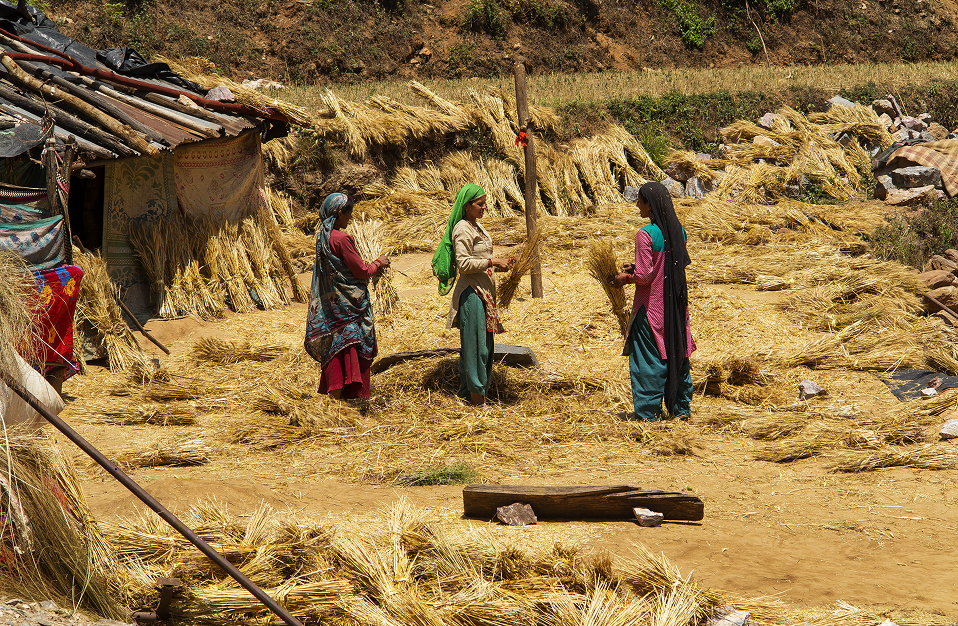
The Harela Festival is one of the most significant and widely celebrated festivals in the Kumaon region. It marks the onset of the monsoon season and is dedicated to nature, fertility, and the harvest cycle. Held during the month of July, it is a time for prayers, rituals, and festivities that honor the earth and its bounty. The festival is celebrated with great enthusiasm, particularly in the rural areas of Kumaon, where the bond between people and nature is deeply rooted.
When: The festival typically falls in July
Where: Celebrated widely across the Kumaon region, especially in Nainital, Almora, Pithoragarh, and Bageshwar districts. Rural communities celebrate this festival with great fervor
Worship of Nature
- The word Harela translates to “green”, symbolizing the connection between the people and the environment. During the festival, families worship trees, especially the mango, peepal, and bamboo trees, as well as other plants that represent fertility, prosperity, and harmony with nature. Saplings are planted on this day, and rituals are performed to seek the blessings of nature for good harvests.
Planting of Saplings
- A key tradition during Harela is the planting of saplings in every household and farm. This act symbolizes the festival’s core values of renewal and growth. It is believed that by planting saplings during this time, families ensure that their lands will be fertile, and the environment will thrive for years to come.
Kumaoni Rituals and Customs
- The Harela Festival is marked by several rituals performed with the utmost devotion. Grains, seeds, and water are offered as sacrifices to the deities, asking for abundant crops and protection.
- Women and children are seen wearing traditional Kumaoni attire and participate in prayers and the decoration of homes with greenery, flowers, and leaves.
Feasts & Traditional Foods
- Like most festivals in Kumaon, Harela is a time for families to come together and celebrate with feasts. Special traditional dishes like Kachmauli (stuffed mutton), Bhaang, and several kinds of rice are prepared.
💃 Folk Music and Dance
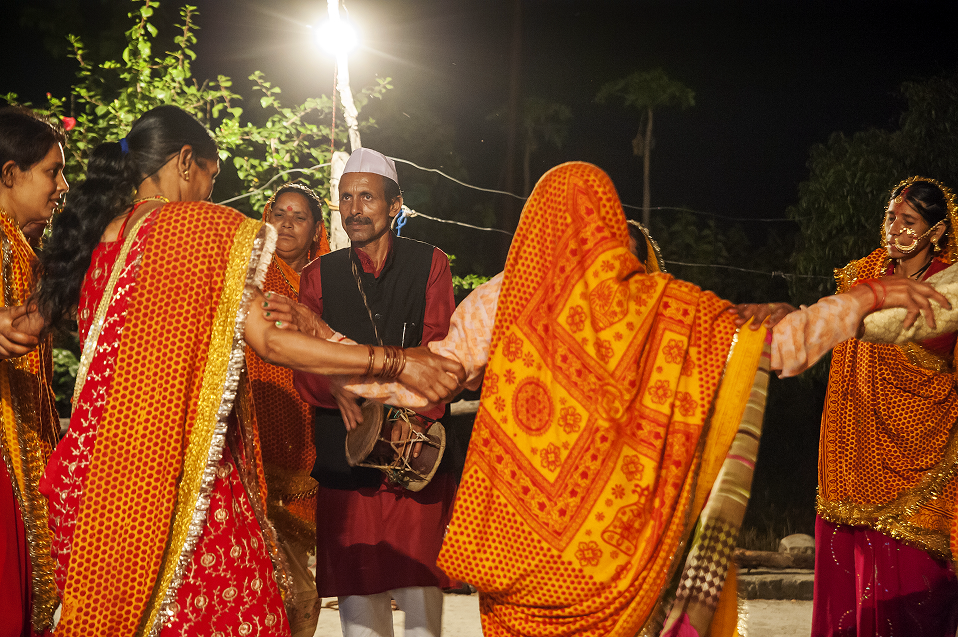
- The festival also features traditional Kumaoni folk music and dances, with people gathering in the courtyards to perform traditional dhol (drum) beats and songs.
Basant Panchami – Spring and Knowledge Festival
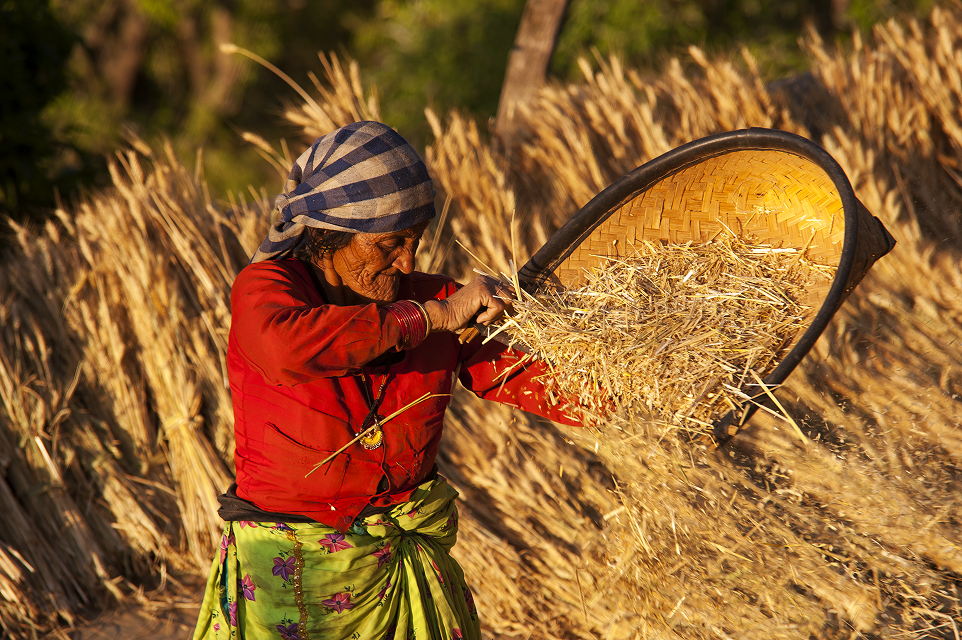
Basant Panchami marks the arrival of spring and is one of the most vibrant festivals celebrated in the Kumaon region. Falling on the fifth day of the Hindu month of Magha (usually in January or February), the festival is dedicated to Saraswati, the goddess of wisdom, knowledge, and arts. It is a time for renewal, where the first signs of spring are celebrated with a burst of yellow, symbolizing the vibrant energy of life.
When: Basant Panchami falls in January or February, typically during the fifth day of the month of Magha.
Where: Celebrated across the Kumaon region, especially in towns like Nainital, Almora, and Haldwani.
Worship of Goddess Saraswati
On Basant Panchami, people worship Saraswati, seeking her blessings for wisdom, creativity, and prosperity. Schools, colleges, and educational institutions celebrate the day by performing pujas (prayers) for books, musical instruments, and all forms of learning. Students often keep their books near the idol of Saraswati.
Spring’s Arrival
The festival heralds the arrival of spring, a season of renewal and new beginnings. Fields, gardens, and homes come alive with the colour yellow, as mustard flowers bloom across the region. People wear yellow clothes and decorate their homes with flowers.
Cultural Performances
Basant Panchami is also a time for cultural performances, especially in rural areas where traditional folk music and dance are a key part of the celebrations. Locals gather to sing, dance, and express their joy for the changing season and the goddess’s blessings.
Sweets and Special Foods
Basant Panchami sweets include Kesari (saffron rice) and yellow-colored sweets, symbolizing the vibrant yellow of the season.
Tihar Festival – A Festival of Lights and Celebration in Kumaon
Tihar, also known as the Festival of Lights, is one of the most vibrant and eagerly awaited festivals. Tihar marks the victory of light over darkness and good over evil. It usually falls in the month of October or November, lasting for five days, and is celebrated by Hindus, especially in Nepal and Northern India. The festival is dedicated to various gods, goddesses, and animals, with each day carrying its own unique significance and customs.
Tihar is often compared to Diwali but with a distinct regional flavor, blending deep spiritual rituals with colorful celebrations. It is a time to honor nature, animals, and family bonds, making it an occasion filled with joy, lights, and togetherness.
When: Tihar is typically celebrated in October or November, depending on the lunar calendar, lasting for five days.
Where: Tihar is celebrated across Kumaon and other parts of northern India, including Nepal.
🪔 The Festival of Lights
Tihar is most famously known for its decorative lights and diyas (oil lamps). Homes and streets are beautifully illuminated with oil lamps, candles, and colorful rangoli designs, symbolizing the triumph of light over darkness.
On the night of Laxmi Puja, the third day of Tihar, people worship Lakshmi, the goddess of wealth, to invite prosperity into their homes for the coming year.
Honoring Animals
One of the unique aspects of Tihar is the worship of animals, recognizing their importance in human life. The first day of Tihar is dedicated to crows, and offerings of food are placed for them. The second day honors dogs, known for their loyalty and protective instincts, with special prayers and treats offered. On the third day, cows are worshipped, particularly for their role in farming and dairy. On the fourth day, oxen and bullocks are worshipped, as they are vital to agriculture.
Goddess Laxmi and Wealth
The third day of Tihar is particularly significant for worshipping Goddess Laxmi. People decorate their homes with rangoli designs, marigold flowers, and oil lamp
Exchanging Gifts and Sweets
People exchange gifts, sweets, and good wishes to celebrate the occasion. Sel Roti (a traditional rice doughnut) and Khuwa (milk-based sweets) are often shared during the festival.
Folk Music and Dance
Tihar is also marked by traditional folk music and dance performances. People gather in the evenings to sing Bhailo (a folk song) and Deusi (a traditional dance), going from house to house, receiving treats and sweets in exchange for their songs and performances.
Tihar Festival – A Nanda Devi Fair – A Sacred Celebration in Almora
The Nanda Devi Fair is another big festival that’s celebrated annually in Almora. Dedicated to Nanda Devi, the goddess believed to protect the land and its people, the fair takes place at the end of August and draws thousands of devotees, pilgrims, and visitors. The fair is a symbol of devotion, culture, and community spirit, with celebrations that span several days. The festival celebrates the goddess’s role as the guardian of the land, bringing prosperity and peace to the region.
When: The Nanda Devi Fair is celebrated annually, typically at the end of August.
Where: The fair takes place in Almora, at the Nanda Devi Temple, with the procession and celebrations extending throughout the town and surrounding areas.
Worship of Nanda Devi
The heart of the Nanda Devi Fair is the worship of the goddess Nanda Devi. Devotees gather to offer prayers and seek blessings for health, prosperity, and harmony. The idol of Nanda Devi is enshrined in the Nanda Devi Temple in Almora, and the fair’s rituals include pujas, sacrifices, and offerings of flowers, grains, and fruits.
The Procession of Nanda Devi
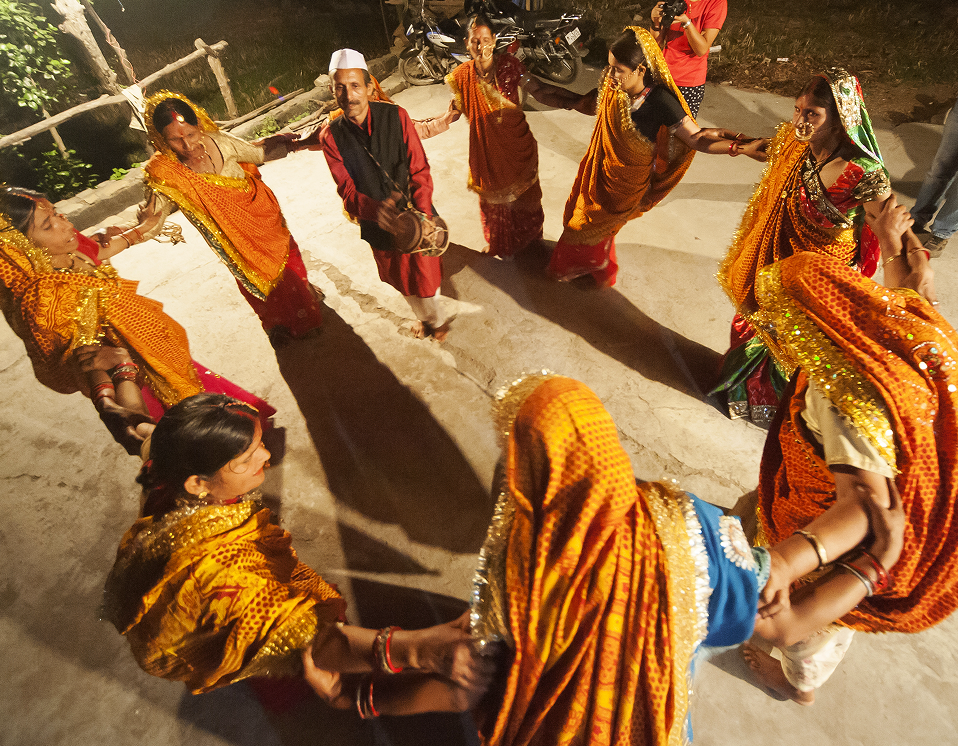
One of the highlights of the fair is the grand procession, where the idol of Nanda Devi is carried through the streets of Almora, accompanied by devotional songs, traditional dances, and folk music. The procession is a spectacle, with people dressed in traditional attire, performing religious songs, and dancing to drum beats. The procession symbolizes the journey of the goddess from her temple to the people, reinforcing the spiritual connection between the divine and the community.
Folk Music and Traditional Dances
Folk music and traditional dances are an integral part of the Nanda Devi Fair. Chholiya dance, a martial dance that tells stories from Kumaon’s folklore, is a major feature of the celebration. The energetic dances, accompanied by the beats of dhol (drums) and trumpets, create an electrifying atmosphere in Almora.
Feasts and Kumaoni Cuisine
Special dishes such as Kachmauli (stuffed mutton), Bhaang (lentils), and rice varieties are prepared and shared among families and visitors. Sweets such as Singodi (a coconut-based sweet wrapped in leaf) and Bal Mithai (a local fudge-like sweet) are also enjoyed during the fair
Cultural Exhibitions and Local Handicrafts
The fair also serves as a platform to showcase the rich cultural heritage of Kumaon. Local artisans display and sell their handicrafts, such as wooden carvings, traditional textiles, and woolen garments.
Nanda Devi Fair: Raj Jat Yatra; A Glimpse into Kumaon’s Rich Heritage
The Nanda Devi Fair is one of the most anticipated religious and cultural celebrations in the Kumaon region. Held every 12 years, this grand event honors Nanda Devi, the goddess believed to be the guardian and protector of the land. With its vibrant processions, traditional rituals, and exuberant folk performances, the fair is a magnificent display of the region’s rich cultural heritage and deep spiritual devotion.
For locals, the Nanda Devi Fair is more than just a religious occasion – it’s a time to come together, celebrate community bonds, and pay homage to the goddess who has protected the land for centuries. For visitors, it offers a unique opportunity to witness the traditional music, dance, and customs that are deeply woven into the fabric of Kumaoni life. It’s a time to celebrate the divine presence of Nanda Devi, to renew bonds with nature, and to enjoy the spirit of community and togetherness.
When: The Nanda Devi Fair is held every 12 years, typically during the months of August or September. With the last fair taking place in 2014. This means the next Nanda Devi Fair will likely be held in 2026.
Where: The fair takes place primarily in Almora and surrounding areas in the Kumaon region of Uttarakhand.
Worship of Nanda Devi
The Nanda Devi Fair is a sacred celebration dedicated to Nanda Devi, the revered goddess of the Kumaon region. Nanda Devi is believed to be the guardian of the land, protecting the people from harm and ensuring their prosperity. Devotees come together to seek her blessings for a peaceful and abundant life, with prayers, rituals, and offerings made in her honor.
Pilgrimage Processions
One of the highlights of the Nanda Devi Fair is the pilgrimage procession. Devotees from across the region, especially from villages surrounding Almora, embark on a spiritual journey to the Nanda Devi Temple. The idol of the goddess is carried through the streets, accompanied by traditional music, chanting, and dance.
Folk Music and Dance
The Nanda Devi Fair is alive with the vibrant rhythms of Kumaoni folk music. The sound of dhol drums, accompanied by traditional dances like Chholiya, fills the air.
Rituals & Offerings
During the fair, the people of Kumaon perform rituals that are deeply rooted in their cultural beliefs. Offerings of flowers, fruits, and grains are presented at the temple, and prayers are recited to ensure the well-being of the community and the natural surroundings.
Cultural Exhibitions and Local Crafts
As part of the celebrations, there are exhibitions showcasing Kumaoni craftsmanship. Local artisans display their handwoven textiles, wooden carvings, and intricate art pieces. The fair offers a chance to experience the rich cultural traditions and artistic expressions of the Kumaon people.